Most of us choose shoes for how they look, how much they cost, or whether they are comfortable enough to get through the day. What our feet actually need often comes last. Over time, the wrong footwear can quietly contribute to pain, changes in the shape of your feet, and problems further up the body.
Here are seven of the most common shoe mistakes we see at FootHealth Battersea, and what they can do to your feet.
1. Wearing the wrong size
Feet change over the years, yet many people keep buying the same size they always have. Shoes that are too short crowd the toes, while shoes that are too long let the foot slide and grip with every step. Both can contribute to corns, calluses, blisters and nail problems. It is worth having both feet measured from time to time, as they are often slightly different sizes.
2. Choosing style over support
Flat ballet pumps and thin-soled fashion shoes can look smart, but many offer very little cushioning or arch support. On hard city pavements, that lack of support adds to the strain on your heel and arch, which is a common factor in heel pain and plantar fasciitis. Support and style do not have to be mutually exclusive, but support should not be an afterthought.
3. Living in high heels
High heels shift your weight forward onto the ball of the foot and, over time, can shorten the calf muscles. Worn occasionally, they are unlikely to cause lasting harm for most people. Worn day after day, they can contribute to forefoot pain, bunions and Achilles tightness. If you love a heel, saving them for shorter stints and switching to something supportive for the commute can help.
4. Hanging on to worn-out shoes
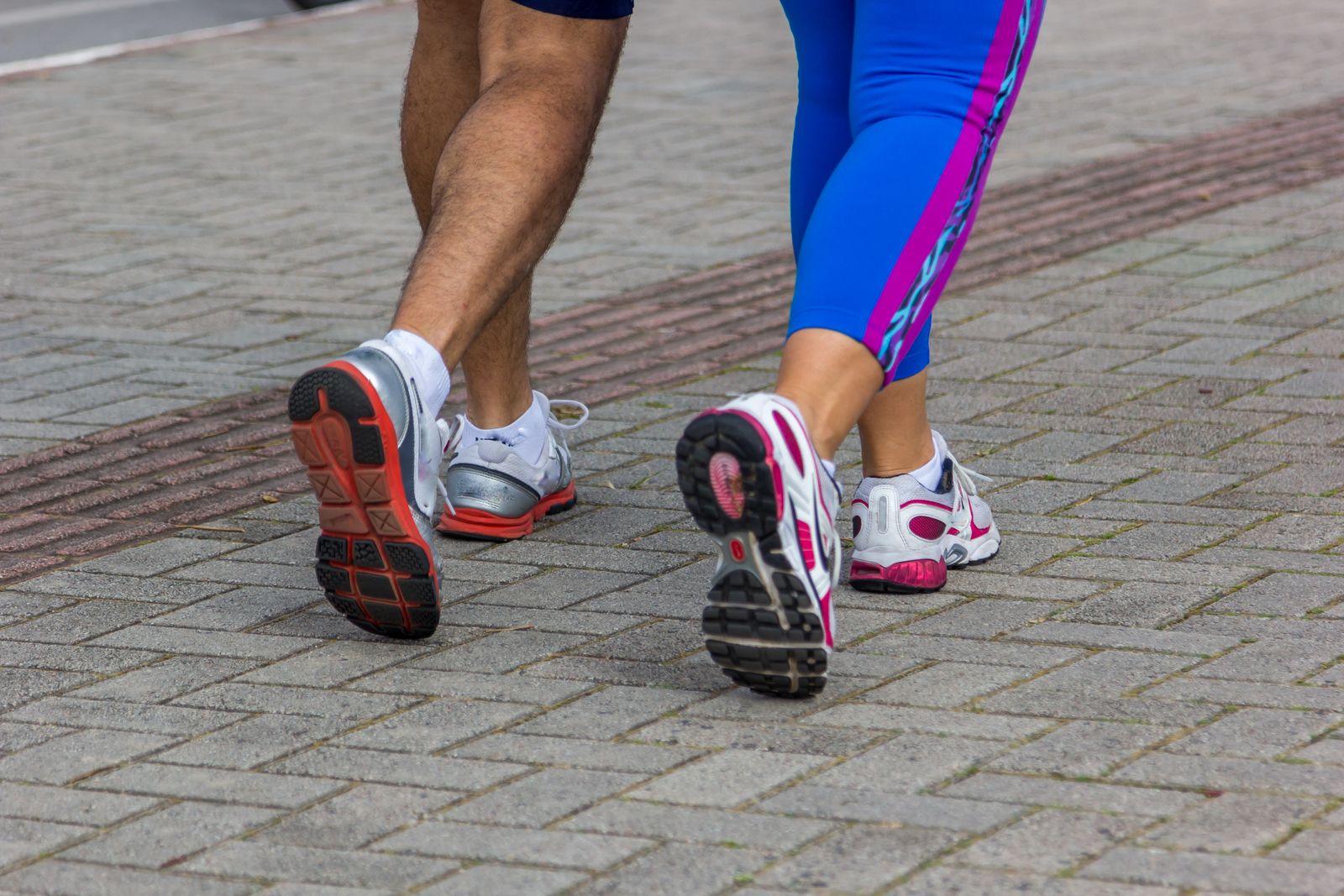
Trainers and everyday shoes lose their cushioning and structure long before they look past it. Once the sole is compressed or the heel has worn down unevenly, the shoe no longer supports your foot the way it should. This is a frequent factor in aches that seem to appear 'for no reason'. If your shoes are visibly worn or simply old, replacing them can make a real difference.
5. Ignoring width and the toe box
Length is only half the story. A shoe that is too narrow, or that tapers sharply towards the toes, squeezes the forefoot together. Over time this kind of pressure is associated with bunions, corns and ingrowing toenails. Look for a toe box that lets your toes sit and spread naturally.
6. Wearing one pair for everything
Using the same shoes for work, exercise and weekends means your feet meet the same pressures in the same places every day, and the shoes never get a chance to dry out and recover. Rotating between a couple of well-fitting pairs varies the load on your feet and can help keep everyday niggles at bay.
7. Buying without trying them properly
Feet tend to swell as the day goes on, so shoes tried on first thing in the morning can feel tight by the afternoon. Where you can, try shoes later in the day, wear the socks you would normally wear, and walk around before you buy. Online shopping is convenient, but it is worth checking the fit properly at home and sending back anything that pinches.
Small changes, happier feet
You do not need a wardrobe full of orthopaedic shoes to look after your feet. A supportive, well-fitting pair for the hours you spend on your feet, plus a little attention to size, width and wear, goes a long way.
If you are already noticing pain, hard skin, or changes in the shape of your feet, footwear may be only part of the picture. Our HCPC-registered podiatrists can assess how you walk and what your feet need. To get checked over, book an assessment with FootHealth Battersea.
We'll confirm the diagnosis and set out the options that suit you. No GP referral needed.
Book onlineCall 020 7228 8383